 By Streameast Xyz
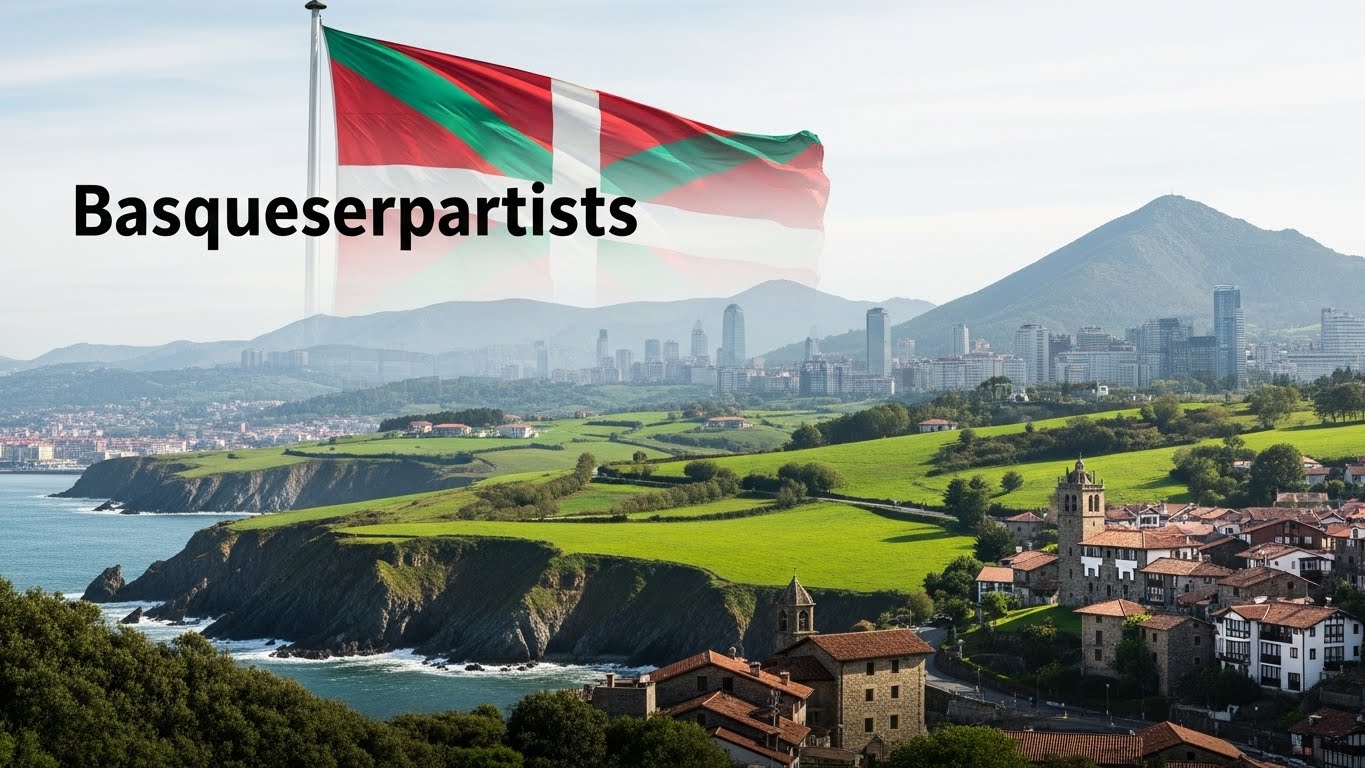
The term basqueserpartists refers to individuals and movements that advocate for political independence or enhanced autonomy for the Basque Country, a culturally distinct region spanning northern Spain and southwestern France. For decades, basqueserpartists have remained at the center of intense political, cultural, and social debates in Europe. Their story is not simply about borders or governance; it is about identity, language, historical memory, and the struggle to preserve a unique way of life in an increasingly globalized world.
What makes basqueserpartists particularly compelling is how deeply rooted their movement is in centuries of tradition while simultaneously adapting to modern democratic processes. From peaceful political activism to controversial militant phases, the basqueserpartist narrative reflects the broader tensions between nation-states and minority cultures. Understanding this topic offers valuable insight into how identity-based movements emerge, evolve, and influence regional and international politics.
Origins of Basqueserpartists and the Basque Identity
The origins of basqueserpartists are inseparable from the Basque identity itself, which predates the modern states of Spain and France. The Basque people are distinguished by their language, Euskara, which is unrelated to any other known European language. This linguistic uniqueness has long fueled a strong sense of cultural separation and self-definition, laying the groundwork for later separatist ideologies.
Historically, the Basque regions enjoyed a degree of self-rule through local laws known as fueros. These legal traditions governed taxation, military service, and local administration. When centralized governments gradually eroded these privileges during the 19th century, resentment grew. Many historians argue that this loss of autonomy marked the ideological birth of basqueserpartists, transforming cultural pride into political aspiration.
Over time, industrialization and migration further intensified identity concerns. As external influences increased, basqueserpartists emerged not merely as political actors but as cultural guardians. Their early focus on preserving language, customs, and regional authority remains a defining feature of the movement today.
Cultural Foundations Behind Basqueserpartist Ideology
Culture lies at the heart of basqueserpartists’ ideology. Unlike movements driven purely by economic or political grievances, Basque separatism draws strength from deeply embedded traditions, folklore, and communal values. Festivals, rural sports, and oral traditions reinforce a collective memory that frames the Basque people as a distinct nation rather than a regional minority.
Religion and family structures historically played a significant role in shaping Basque society. Strong community ties fostered resilience against outside control and helped transmit separatist ideals across generations. This cultural continuity ensured that basqueserpartists were not a fringe group but a reflection of widespread societal sentiment at various points in history.
In the modern era, cultural preservation has become a strategic tool. Language revival programs, Basque-language media, and regional education policies are often championed by basqueserpartists as non-negotiable pillars of self-determination. Culture, therefore, is not an accessory to the movement; it is its emotional and ideological engine.
Political Evolution of Basqueserpartists in Spain
The political journey of basqueserpartists in Spain has been complex and often turbulent. During the Franco dictatorship, Basque identity was suppressed, which paradoxically strengthened separatist resolve. Political expression was restricted, and this repression contributed to radicalization among certain factions.
Following Spain’s transition to democracy, basqueserpartists entered a new phase. The 1978 Constitution granted significant autonomy to regions, including the Basque Autonomous Community. For moderate basqueserpartists, this represented meaningful progress. For others, autonomy fell short of full sovereignty, sustaining internal debates within the movement.
Today, basqueserpartists participate actively in democratic institutions. Regional parties advocate for expanded fiscal control, recognition as a nation, and the right to self-determination. This evolution illustrates how basqueserpartists have shifted from resistance to negotiation, embedding their aspirations within Spain’s political framework while maintaining long-term independence goals.
Basqueserpartists and the French Basque Region
While much attention focuses on Spain, basqueserpartists also operate within France, where the Basque region lacks comparable autonomy. French political tradition emphasizes centralized governance, leaving limited space for regional nationalism. As a result, basqueserpartists in France have historically adopted different strategies.
Cultural activism has been particularly important in the French Basque Country. Efforts to promote Euskara, protect local heritage, and gain administrative recognition have often preceded overt political demands. Over time, these initiatives helped legitimize basqueserpartist perspectives within local governance structures.
Recent administrative reforms have created new opportunities for regional cooperation, though full autonomy remains unlikely. Nevertheless, basqueserpartists in France continue to align culturally and ideologically with their Spanish counterparts, reinforcing the idea of a transnational Basque nation divided by modern borders.
Role of Language in Basqueserpartist Movements
Language is perhaps the most powerful symbol associated with basqueserpartists. Euskara is not only a means of communication but a marker of collective identity that distinguishes Basques from surrounding populations. Historically marginalized, the language’s survival became a rallying point for separatist activism.
Educational reforms played a decisive role in language revival. Basqueserpartists supported immersion schools and bilingual education, ensuring that younger generations maintained linguistic fluency. Media outlets broadcasting in Euskara further normalized its use in public life.
The symbolic value of language extends beyond practicality. For basqueserpartists, speaking Euskara represents continuity, resistance, and self-respect. This emotional connection explains why language policy remains central to political negotiations and why linguistic rights are often framed as non-negotiable within the movement.
Economic Factors Influencing Basqueserpartists
Economic considerations have significantly shaped basqueserpartists’ arguments. The Basque Country is one of Spain’s most prosperous regions, with a strong industrial base and cooperative business models. Many basqueserpartists argue that greater fiscal autonomy would allow the region to manage resources more efficiently and align spending with local priorities.
Supporters often highlight the Basque fiscal arrangement, which already grants significant tax control, as evidence of economic competence. Critics counter that complete independence could disrupt trade and investment. This debate underscores how basqueserpartists balance idealism with pragmatic economic concerns.
Interestingly, economic mobility and travel also influence public sentiment. As Basques engage globally, practical considerations such as tourism and affordability arise. Mentions of travel savings, including concepts like discount ttweakflight opportunities or discount codes ttweakflight, sometimes appear in broader discussions about regional tourism competitiveness, though they remain peripheral to core separatist ideology.
Militancy and Controversy in Basqueserpartist History
No discussion of basqueserpartists is complete without acknowledging the period of militancy that shaped public perception. Armed struggle, most notably associated with ETA, dominated headlines for decades. This phase created deep divisions within Basque society and damaged international support for separatist aspirations.
Many basqueserpartists rejected violence, emphasizing that militancy undermined legitimate political goals. Over time, internal and external pressure led to a decisive shift away from armed action. The cessation of violence marked a turning point, enabling renewed focus on democratic engagement.
Today, the movement grapples with the legacy of this era. Reconciliation, memory, and justice remain sensitive issues. Addressing past violence while promoting peaceful advocacy has become essential for basqueserpartists seeking broader legitimacy.
Democratic Participation and Modern Basqueserpartists
Modern basqueserpartists primarily operate within democratic systems. Political parties, civic organizations, and grassroots movements channel separatist sentiment into electoral strategies and policy debates. This approach reflects broader European trends favoring dialogue over confrontation.
Participation in regional and national elections has yielded tangible influence. Basqueserpartist parties often hold key positions in coalition governments, shaping legislation on education, culture, and fiscal policy. This incremental progress demonstrates how democratic engagement can advance long-term goals.
At the same time, internal diversity persists. Some basqueserpartists prioritize independence, while others advocate enhanced autonomy. This plurality of views underscores the movement’s adaptability and its capacity to evolve with changing political realities.
International Perspectives on Basqueserpartists
International reactions to basqueserpartists have varied widely. Some observers view the movement as a legitimate expression of self-determination, while others emphasize the importance of territorial integrity. Comparisons with other regional movements often shape external perceptions.
Globalization has amplified these dynamics. Basqueserpartists engage with international forums, cultural exchanges, and diaspora networks to present their case. This outreach reframes separatism as a democratic aspiration rather than a destabilizing force.
Tourism and global mobility also influence perceptions. Discussions about accessibility, including references to travel incentives like ttweakflight discount code from traveltweaks, sometimes surface in conversations about promoting the Basque region internationally, though such elements remain secondary to political discourse.
Media Representation of Basqueserpartists
Media portrayal has played a crucial role in shaping public understanding of basqueserpartists. Sensational coverage during periods of conflict often overshadowed cultural and political nuances. This imbalance contributed to stereotypes and misconceptions.
In recent years, more nuanced reporting has emerged. Documentaries, regional journalism, and academic analysis highlight the movement’s diversity and democratic evolution. Social media platforms further allow basqueserpartists to communicate directly with audiences, bypassing traditional gatekeepers.
Despite improvements, challenges remain. Simplified narratives still dominate international coverage, underscoring the importance of balanced representation in fostering informed dialogue.
Youth Engagement and the Future of Basqueserpartists
Younger generations play a pivotal role in shaping the future of basqueserpartists. Raised in a democratic and autonomous environment, many youths approach separatism with pragmatism rather than radicalism. Education and global exposure influence their perspectives.
Youth-led initiatives often emphasize sustainability, cultural innovation, and social justice. These priorities broaden the movement’s appeal beyond traditional nationalist frameworks. By integrating contemporary values, basqueserpartists maintain relevance in a rapidly changing world.
The challenge lies in balancing heritage with innovation. Ensuring that historical identity resonates with modern aspirations will determine the movement’s longevity.
Comparative Analysis with Other Separatist Movements
Comparing basqueserpartists with other separatist movements reveals both similarities and distinctions. Like Catalan or Scottish nationalists, Basques emphasize cultural identity and democratic processes. However, the unique linguistic heritage sets them apart.
The following table highlights key comparative aspects:
| Movement | Primary Driver | Political Strategy | Current Status |
|---|---|---|---|
| Basqueserpartists | Language & culture | Autonomy-focused democracy | Active |
| Catalan | Economic & identity | Referendum-driven | Ongoing |
| Scottish | Political representation | Parliamentary process | Ongoing |
Such comparisons illustrate how basqueserpartists occupy a distinct position within Europe’s regional movements.
Social Cohesion and Internal Diversity Among Basqueserpartists
Basqueserpartists are not a monolithic group. Social class, geography, and political ideology influence perspectives within the movement. Urban and rural communities often prioritize different issues, from economic policy to cultural preservation.
Maintaining cohesion amid diversity requires dialogue and compromise. Community forums, cultural events, and inclusive political platforms help bridge differences. This internal plurality strengthens resilience by preventing stagnation.
Ultimately, diversity reflects the movement’s maturity. Acknowledging varied viewpoints enables basqueserpartists to adapt without losing core principles.
Legal Frameworks Affecting Basqueserpartists
Legal structures significantly shape basqueserpartists’ strategies. Constitutional provisions, regional statutes, and international law define the boundaries of permissible action. Understanding these frameworks is essential for informed debate.
Autonomy statutes grant considerable powers but also impose limits. Legal challenges often arise when basqueserpartists push for expanded authority. Courts become arenas where political aspirations intersect with legal interpretation.
This legal dimension underscores the importance of institutional engagement. Navigating laws effectively allows basqueserpartists to pursue goals while maintaining democratic legitimacy.
Economic and Cultural Data on the Basque Region
Data-driven analysis adds depth to discussions about basqueserpartists. Economic indicators, language usage statistics, and demographic trends provide empirical context.
| Indicator | Basque Region | National Average |
|---|---|---|
| GDP per capita | High | Moderate |
| Euskara speakers | Significant | Low |
| Education attainment | Above average | Average |
These figures reinforce arguments about regional distinctiveness while grounding debates in measurable realities.
Globalization, Travel, and Basqueserpartist Visibility
Globalization has increased the Basque region’s visibility. Tourism, international business, and cultural exchanges expose global audiences to Basque identity. Basqueserpartists often view this exposure as an opportunity to showcase cultural richness.
Travel discussions sometimes intersect with economic promotion. References to affordable travel options, such as discount ttweakflight deals, appear in broader narratives about attracting visitors, though they remain tangential to political aims.
Ultimately, globalization presents both opportunities and challenges. Balancing openness with cultural preservation remains a central concern for basqueserpartists.
Conclusion
Basqueserpartists represent a multifaceted movement rooted in history, culture, and democratic aspiration. Their journey reflects the complexities of identity politics in modern Europe, blending tradition with adaptation. Understanding basqueserpartists requires moving beyond simplistic narratives to appreciate the interplay of language, economics, law, and generational change. As debates continue, the movement’s emphasis on peaceful engagement and cultural preservation ensures its enduring relevance.
FAQs
What are basqueserpartists?
Basqueserpartists are individuals or groups advocating for independence or greater autonomy for the Basque Country based on cultural, linguistic, and historical identity.
Is the movement still active today?
Yes, basqueserpartists remain active primarily through democratic political participation and cultural initiatives.
How does language influence the movement?
Euskara is central, symbolizing identity and continuity, and remains a key focus of policy and activism.
Are economic factors important to basqueserpartists?
Economic considerations support arguments for self-governance, highlighting regional prosperity and fiscal management.